The feasibility of point-of-care ultrasound conducted by physiotherapists for the diagnosis of ankle syndesmosis injuries in the acute care setting: A diagnostic study and budget impact analysis study
Quick facts
Ms Laura Hayes
Dr Peter Snelling
Dr Kirsten Strudwick
Dr Chris Tang
Dr Henry Tsao
Dr Jean Spinks
Prof Trevor Russell
Associate Investigators
Ms Alison Lacey
Dr James Clayton
Syndesmosis injuries, also known as a high ankle sprain, due to ligamentous injury are relatively uncommon but can have devastating outcomes when missed. This includes chronic pain, instability and osteoarthritis. Early surgical fixation of these injuries is recommended in some cases. Magnetic Resonance Imaging (MRI) is the most accurate way to diagnose these, but not ordered in the emergency department (ED) due to its cost and poor availability. Although clinical tests can help to narrow down who needs an MRI, they are often inaccurate in the acute phase. Ultrasound performed by sonographers can visualise ligament to components of the syndesmosis complex to streamline MRI referrals but is under demand during the day and not available afterhours. Point of Care Ultrasound (POCUS) performed by clinicians is an alternative option for imaging.
Emergency physiotherapy practitioners (EPP) typically manage patients with musculoskeletal injuries in the ED and are well placed to perform musculoskeletal POCUS. This study will evaluate the feasibility and accuracy of ED physiotherapist-performed POCUS for the diagnosis of ligament injury in the ED, indicative of a syndesmosis injury, against radiology-performed ultrasound. This could guide MRI patient selection to allow for earlier detection of unstable ankle injuries and expedite outpatient orthopaedic expert review and management. If POCUS by ED physiotherapists is demonstrated to be feasible and accurate for these syndesmosis injuries, the results of this study could inform the development of a diagnostic pathway that could be implemented in EDs locally and throughout Australia.
Grants Awarded
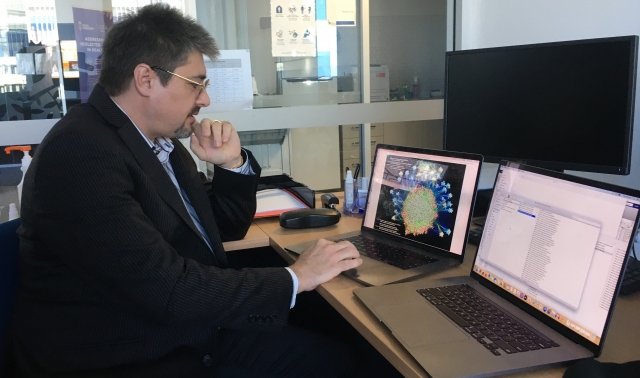
Modelling software helps fight against COVID-19
Groundbreaking COVID-19 modelling software designed on the Gold Coast is playing a key role in the fight against the pandemic – and its creators hope it will also help win the war against future diseases.
Professor Chris Stapelberg, the Joint Chair in Mental Health for Gold Coast University Hospital and Bond University, began work on the Discrete-Event, Simulated Social Agent-Based Network Transmission (DESSABNeT) model in early April last year, as Australia was gripped with fears over COVID-19.
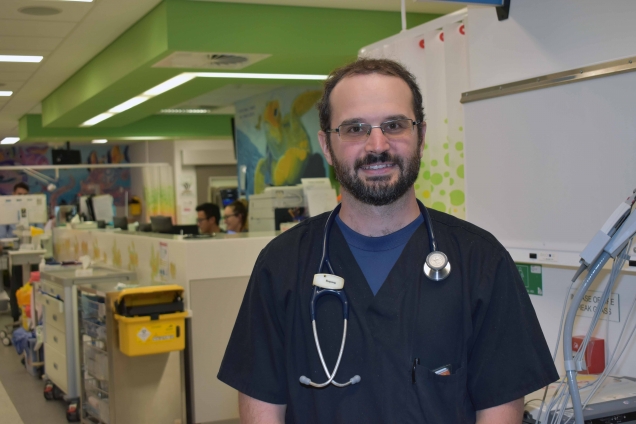
Research funds for children with broken arms
A Queensland Advancing Clinical Research Fellowship of almost $145,000 will help Dr Peter Snelling complete a research project which explores the benefits of point-of-care ultrasound for children with broken arms.
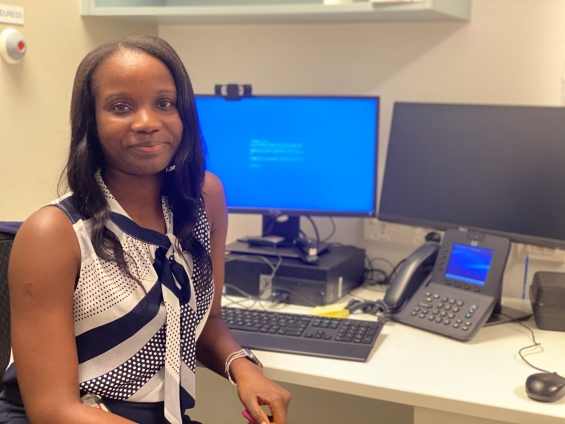
PhD to discover what is most important to patients in new model of care
Gold Coast Health dietitian Rumbi Mutsekwa spent as long as she could avoiding doing a PhD, but the task eventually caught up with her.

First of its kind research project looking for clinicians
With a passion for social justice, Laura Ryan felt there was something missing in her corporate career so she left that life behind, instead pursuing social work.

Gold Coast sepsis research leads to up-sized fluid treatment study
Findings from a Gold Coast Health driven investigation into the use of intravenous fluids in sepsis management in emergency patients will be used as the foundation for a larger, $2.33M randomised controlled trial.

Emergency care researchers probe pandemic impacts
Gold Coast Health researchers have put the impacts of COVID-19 on emergency care under the microscope after securing almost $120,000 from the Emergency Medicine Foundation (EMF).
Queen's Birthday honour for emergency care researcher
Professor of Emergency Care Dr Julia Crilly, has been awarded an Order of Australia Medal for her service to emergency care nursing.
Prof Crilly OAM leads and supports research in Gold Coast Health’s emergency department, and has a special research interest in the improvement of emergency care for vulnerable population groups.
Dr Crilly has independently and jointly been involved in gaining more than $6 million in grants to fund research projects that enable clinicians and students to be mentored.
Subscribe to Research Areas