Collaborative research group
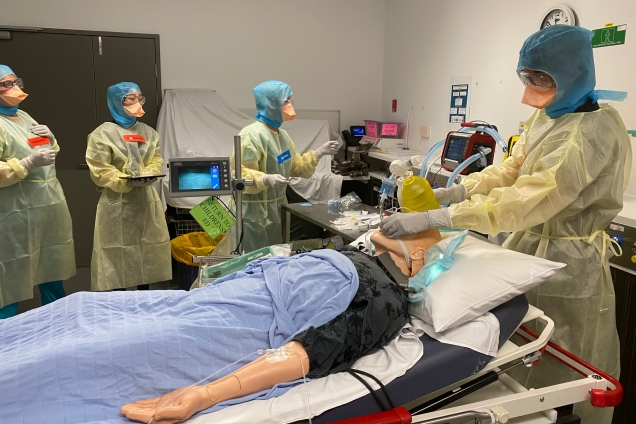
Simulations help medical team modify treatment in the era of COVID-19
In the past month, Gold Coast Health has completed more than 250 simulations of medical procedures, to prepare clinicians to treat patients with various medical conditions combined with suspected or confirmed COVID-19.
Professor Victoria Brazil, who is an Emergency Physician at the Gold Coast University Hospital and runs Gold Coast Health’s simulation program, said the number of simulations undertaken in a month is more than that done in 2019.
Don’t delay emergency medical help during COVID-19
Gold Coast Health is urging people who are experiencing a medical emergency during the COVID-19 pandemic not to hesitate to call 000 or present to an emergency department.
Director of Emergency Medicine Associate Professor David Green said emergency departments were ready to care for patients 24-hours-a-day, whether they have suspected COVID-19 or not.
“Our hospitals are safe to attend, and we have gone above and beyond to take all necessary measures to protect staff and patients from any risk of infection,” Dr Green said.
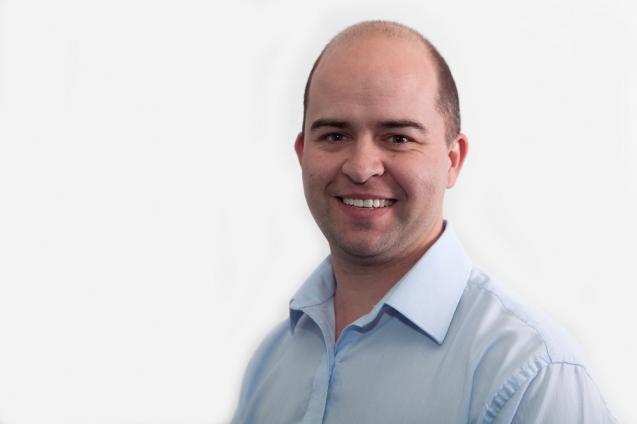
Dr Jamie Ranse discussed the complex and evolving nature of COVID-19 (coronavirus) in relation to Mass Gathering events.
ABC interview about coronavirus impact: Dr Jamie Ranse from our ED research team's service delivery pillar and Griffith University, explains why the coronavirus pandemic is affecting mass gatherings and how to mitigate risk if groups of people gather together
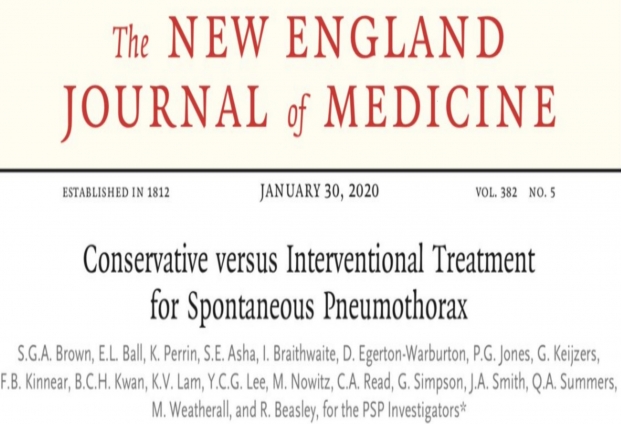
Researchers find hands-off treatment has better results for a collapsed lung
Supporting the oldest rule of medicine - first, do no harm, a study co-funded by the Emergency Medicine Foundation (EMF) is expected to cause a major shift in thinking around how doctors worldwide treat a collapsed lung.
Prof Gerben Keijzers and Dr Stuart Watkins amongst investigators on a Griffith University-led research project funded for $3.6m
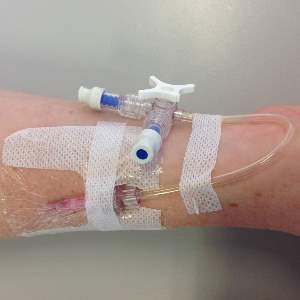
Griffith University has received $1.5 million in funding from the National Health and Medical Research Council, and matched support from national and state health partners ($2.1 million), to improve the experience for thousands who require peripheral intravenous (IV) catheters.
Australia Day 2020 Honours List
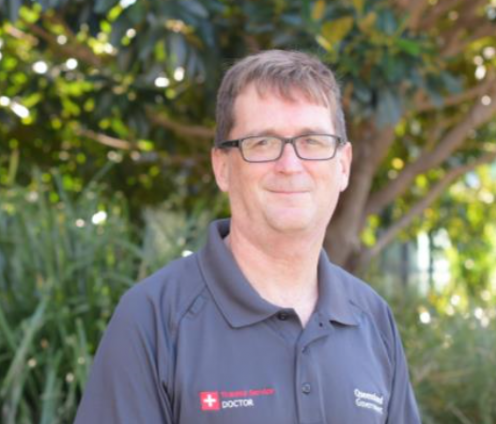
Dr Don Campbell OAM, was awarded a Medal of the Order of Australia (OAM) in the General Division for service to trauma medicine. Don is the Deputy Director of the Trauma Service at the Gold Coast University Hospital and is a Senior Lecturer at Griffith University.
Improving antibiotic prescribing
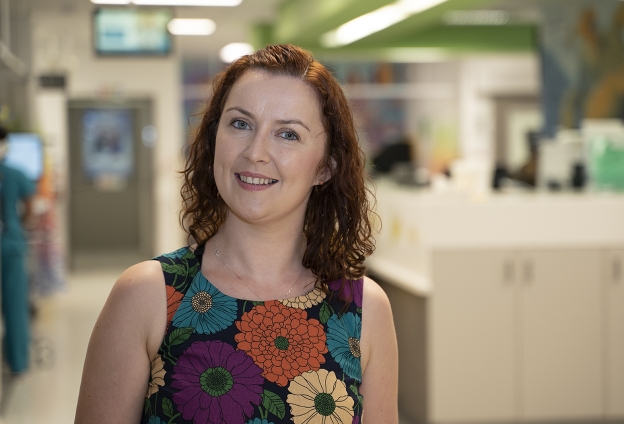
Gold Coast Health Researcher and Emergency Department Registrar Laura Hamill is delving into doctors’ antibiotic prescribing habits in our Emergency Departments.
Understanding end-of-life care for older people presenting to the ED
Quick facts
The overarching aim of this study is to estimate the magnitude of the need for care at the end of life care in the emergency department, and to describe care delivery practices, processes and outcomes for older people who present to the emergency department requiring end of life care.
Australians aged 65 years and over account for 22% of emergency department presentations. Currently, this group makes up 15% of the population, but this predicted to rise to 20% by 2037.
There are two trajectories of end of life in the emergency department: ‘unexpected’ and ‘expected’ deaths. Unexpected deaths stem from acute illness or sudden, traumatic events. Expected deaths stem from deterioration of chronic illnesses.
When expected deaths occur in the emergency department, staff dissatisfaction and distress as well as frustration for patients and their families can result. In Singapore, around 50% of deaths in people aged ≥ 65 who died in one emergency department were considered ‘expected’. This highlights the need to understand if the situation is the same here in Australia and to what extent quality end of life care is provided for both trajectories of dying (i.e. expected and unexpected). Our study will identify the ‘unexpected’ and the ‘expected’ deaths among people aged ≥ 65 who die within 48 hours of emergency department presentation.
Grants Awarded
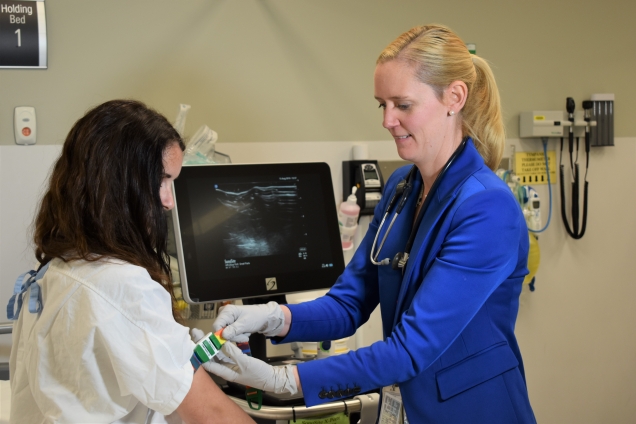
Ultrasound guided cannulation training hits the spot
A new ultrasound training initiative is helping Gold Coast Health emergency department clinicians to find a patient’s vein during cannulation thanks to an Emergency Medicine Foundation (EMF) research grant.
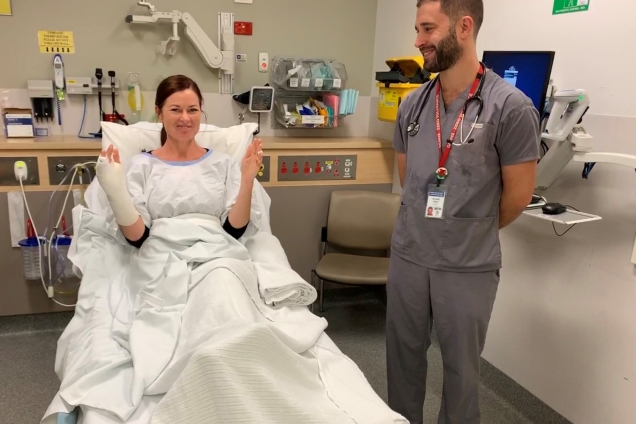
Minor fracture study packs a big punch for patients
A Gold Coast Health led study into the treatment of a common hand injury is set to make a significant impact to fracture patient recovery times while also helping to ease Emergency Department demand.
Subscribe to Emergency Department